Paint correction is used by car owners as a surface restoration process that removes defects such as swirl marks, oxidation, and light scratches. It does not directly protect a vehicle from harsh weather conditions such as UV exposure, acid rain, or humidity. Instead, it prepares the paint so protective coatings can bond properly and perform at their full durability potential.
In practical use, paint correction is part of a layered protection strategy. The actual defense against weather comes from sealants or ceramic coatings applied after correction, not from the correction itself.
How Paint Correction Works in Real Protection Systems
Paint correction is a controlled mechanical and chemical polishing process that removes a microscopic layer of damaged clear coat. The goal is to restore clarity and uniform reflectivity, not to create a protective barrier.
In professional detailing environments, correction is treated as a preparation stage before environmental protection systems are applied. This is especially relevant in paint correction in Tampa, where vehicles experience accelerated oxidation due to strong UV exposure and year-round humidity.
Standard correction workflow
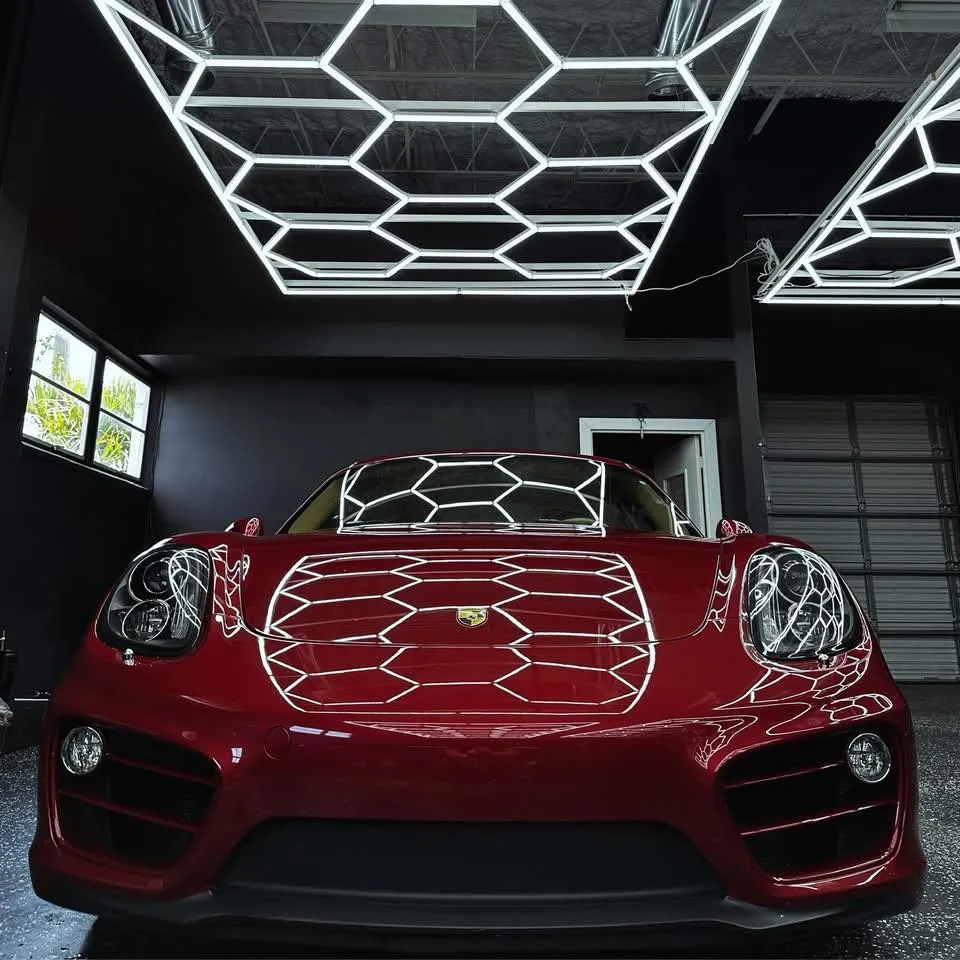
- Paint inspection under LED or halogen lighting
- Surface decontamination (iron removal, clay bar)
- Cutting stage to remove defects
- Refinement polishing for gloss enhancement
- IPA wipe-down for residue removal
- Protective coating or sealant application
Each step builds toward surface readiness, not protection on its own.
Why Paint Correction Alone Does Not Protect Against Weather
Paint correction improves appearance but does not change the chemical resistance of the clear coat. Once the correction is complete, the surface is technically more exposed unless protected afterward.
In paint correction in Tampa, FL, professionals consistently observe that vehicles left unsealed after correction begin to show oxidation and water spotting significantly faster than coated vehicles. This reinforces a key principle in detailing: correction resets the surface, but protection preserves it.
The misconception arises because newly corrected paint looks “new,” leading many owners to assume it is also protected. In reality, gloss and durability are separate properties.
Weather Protection Systems Compared
To understand the role of correction, it helps to compare it with actual protection systems.
| System | Purpose | Weather Resistance | Lifespan | Primary Role |
| Paint Correction | Removes defects | None | Permanent finish change | Preparation |
| Wax | Adds a temporary barrier | Low | 2–6 weeks | Short-term enhancement |
| Sealant | Synthetic protection layer | Moderate | 3–6 months | Basic defense |
| Ceramic Coating | Chemical bonding protection | High | 2–7 years | Long-term protection |
The comparison shows that correction is foundational, not protective.
Why Car Owners Still Rely on Paint Correction
Even though it is not protective, paint correction is widely used because it directly improves the performance of protective systems.
In Tampa, paint correction technicians prioritize correction before coating application because uncorrected paint traps defects underneath coatings, reducing both durability and visual uniformity.
Key functional benefits
- Removes oxidation that blocks coating adhesion
- Eliminates swirl marks that distort reflection
- Creates a uniform surface for even bonding
- Enhances hydrophobic performance after coating
- Prevents sealing in contaminants or damage
Correction ensures the protective layer performs as intended rather than compensating for surface defects.
How Harsh Weather Damages Vehicle Paint
Weather exposure affects paint gradually rather than instantly. The damage accumulates over time through repeated environmental stress cycles.
In Tampa, FL, paint correction, one of the most common issues seen is clear coat breakdown caused by continuous UV exposure combined with moisture retention.
Primary environmental stress factors
- UV radiation breaks down clear coat polymers
- Acid rain causes chemical etching
- Salt and mineral deposits are accelerating corrosion
- Heat cycles expand and contract paint layers
- Oxygen exposure leading to oxidation and fading
Paint correction can restore the surface, but it does not prevent these processes from recurring.
Misconceptions About Paint Correction
H2: Common Industry Myth: Paint correction protects against weather damage
This is one of the most persistent misunderstandings in automotive care. Paint correction does not provide any protective layer against environmental damage.
It is strictly a restoration process designed to remove defects and restore gloss. Any real protection must come from waxes, sealants, or ceramic coatings applied afterward.
Why the myth continues
- High gloss is mistaken for durability
- Correction is often sold with coatings in bundled services
- Marketing language blurs technical differences
- Consumers equate visual improvement with protection
In reality, gloss is optical; protection is chemical and structural.
Applying our Aurora Surface Mapping Protocol to solve this
The Aurora Surface Mapping Protocol is a diagnostic framework used to determine the exact correction level required before applying protective systems. It ensures paint correction is used strategically rather than excessively.
This system is designed to prevent over-polishing and to align correction with long-term durability outcomes.
Core system stages
1. Surface Defect Mapping
Identifies swirl density, scratches, and oxidation levels using controlled directional lighting.
2. Clear Coat Depth Calibration
Measures safe correction thresholds to prevent excessive clear-coat removal.
3. Coating Compatibility Analysis
Evaluates whether the surface is suitable for ceramic or sealant bonding.
4. Environmental Stress Forecasting
Predicts how local climate conditions will impact corrected and coated surfaces over time.
This framework ensures that correction supports protection rather than operating independently.
When Paint Correction Is Actually Required
Paint correction is not mandatory for every vehicle. Its necessity depends on the paint condition and the protection goals.
Vehicles that are exposed to long-term outdoor parking typically require correction before any protective application due to accumulated oxidation and surface contamination.
Decision framework
- Visible oxidation → correction required
- Ceramic coating planned → correction required
- Minor swirl marks → optional correction
- Long-term exposure risk → recommended correction
- Restoration or resale preparation → full correction required
This ensures correction is applied only when it improves outcomes.
Definition of Protection Outcomes
Paint correction and protective systems serve different roles in vehicle care.
- Aesthetic restoration → improves gloss and removes surface defects
- Environmental protection → resists UV, moisture, and chemical exposure
- Surface stability → reduces degradation from contaminants
- Hydrophobic performance → improves water behavior on paint
- Longevity enhancement → extends the lifespan of coatings
Correction improves appearance; protection maintains condition.
In Summary
Paint correction is a foundational step in automotive surface care, not a protective solution. It restores clarity and removes defects, enabling protective coatings to perform effectively under harsh environmental conditions.
Without a protective layer applied afterward, corrected paint remains vulnerable to UV damage, moisture exposure, and oxidation, something Auto Luxe helps prevent.
For long-term preservation and professional-grade finish restoration, contact us today for structured correction and protection systems designed for real-world weather exposure.
FAQ Section:
Does paint correction protect against rain or UV damage?
No. It restores paint but does not block environmental exposure.
Do you need paint correction before ceramic coating?
Yes. Coatings require a defect-free surface for proper bonding.
How long does paint correction last?
The correction is permanent, but unprotected paint will degrade again over time.
Can paint correction remove all scratches?
No. It only removes defects within the clear coat layer, not deep scratches.
Is paint correction worth it for daily drivers?
Yes, especially when combined with protective coatings to prevent reoxidation.