You can spot fake or low-quality Tesla paint protection film by checking for poor clarity, weak adhesion, and a lack of self-healing. High-quality film should be nearly invisible, durable, and stable over time. If it appears hazy, lifts at the edges, or fails to recover from light scratches, it is not performing as intended.
Why Paint Protection Film Quality Matters
Tesla vehicles are designed with clean lines and reflective finishes that expose even minor surface flaws. Because of this, paint protection film is not just about defense against debris; it directly affects how the vehicle looks day to day.
Low-quality film introduces visual defects instead of preventing them. It can dull the finish, create uneven reflections, and in some cases trap contaminants against the paint. These issues are not always immediate, which makes them harder to catch early.
With years of experience in automotive care, the distinction between high-grade and imitation film becomes obvious under inspection lighting. During a recent audit for a firm in Ballard, multiple vehicles showed a consistent haze pattern that traced back to material quality, not usage conditions.
Key Signs of Fake or Low-Quality Tesla Paint Protection Film
Poor Optical Clarity
Clarity is the first and most immediate indicator. Proper film integrates with the paint, making it nearly undetectable. If you notice a cloudy appearance, muted reflections, or slight discoloration, the film is not manufactured to a high standard.
This issue becomes more pronounced over time. Exposure to sunlight amplifies imperfections, making low-grade film increasingly noticeable. When evaluating Tesla paint protection film in Sarasota, FL, options, clarity differences often become apparent within the first few months of exposure.
Weak Adhesion and Lifting Edges
Adhesion determines whether the film remains stable across different environmental conditions. High-quality film bonds securely and maintains edge integrity.
Low-quality material tends to shrink slightly or lose adhesion, causing edges to lift. This is not just a cosmetic issue. Once edges begin to peel, dirt and moisture can enter, accelerating failure.
In Fremont, inspections of several vehicles revealed early edge lifting within a short period. The pattern was consistent across different installers, pointing directly to material limitations rather than application technique.
No Self-Healing Response
A defining characteristic of advanced film is its ability to recover from minor surface damage. Light scratches and swirl marks should fade when exposed to heat, either from sunlight or warm water.
If the film retains scratches, it lacks this protective layer. Over time, the surface accumulates visible damage, making the vehicle look worn despite having protective film installed.
This is one of the most reliable ways to differentiate between high-quality and imitation products. The absence of self-healing is not a subtle flaw. It becomes obvious with regular use.
Excessive Surface Texture
All films introduce some degree of texture, but it should be minimal. A heavy orange peel effect indicates inconsistent production standards.
This texture disrupts reflections, creating a distorted look across body panels. On a Tesla, where panel uniformity is part of the design language, this becomes especially noticeable.
Early Discoloration
Discoloration is typically caused by poor resistance to ultraviolet exposure. High-quality film is engineered to maintain its appearance over time, even in strong sunlight.
Low-grade film may begin to yellow or darken, especially on lighter paint colors. This change does not occur evenly, which makes it more visible across different panels.
In practical terms, discoloration often forces early removal and replacement, increasing long-term costs.
Persistent Bubbles and Distortion
Installation quality matters, but material flexibility also matters. High-quality film allows for smooth application and proper bonding.
Low-quality film tends to trap air more easily and resist correction. Even after adjustments, bubbles may remain or reappear.
During a project review on Capitol Hill, repeated bubbling issues were traced back to the film composition rather than the installer technique. The material simply did not respond well to standard installation methods.
How to Verify Film Authenticity
Ask for Material Details
Clear, specific information about the film should be readily available. This includes thickness, performance characteristics, and warranty coverage.
When reviewing Tesla paint protection film in Sarasota providers, transparency in material specifications is one of the strongest indicators of credibility.
Check Warranty Structure
A legitimate film product includes defined warranty terms that outline coverage and expected lifespan. These warranties are typically backed by the manufacturer.
If warranty details are unclear or unavailable, it suggests the material may not meet established standards.
Inspect the Finished Work
A proper installation reflects both material quality and technical skill. Surfaces should appear consistent across all panels, with no visible distortion or irregular edges.
Pay attention to corners, seams, and transitions. These areas reveal how well the film performs during application and over time.
Common Misconceptions About Paint Protection Film
All films perform the Same
This assumption is at the root of most quality issues. Films vary significantly in composition, durability, and visual performance.
Lower-grade options may appear similar initially but degrade faster and offer less protection.
Differences Are Hard to Notice
With years of experience in automotive care, differences are immediately visible under proper lighting. Even without technical knowledge, most vehicle owners notice issues once they appear.
Clarity loss, peeling edges, and surface distortion are not subtle over time.
Lower Cost Means Better Value
Short-term savings often lead to long-term costs. Replacing the failed film, correcting paint issues, and reapplying protection quickly outweighs the initial price difference.
Quality film maintains both protection and appearance, reducing the need for rework.
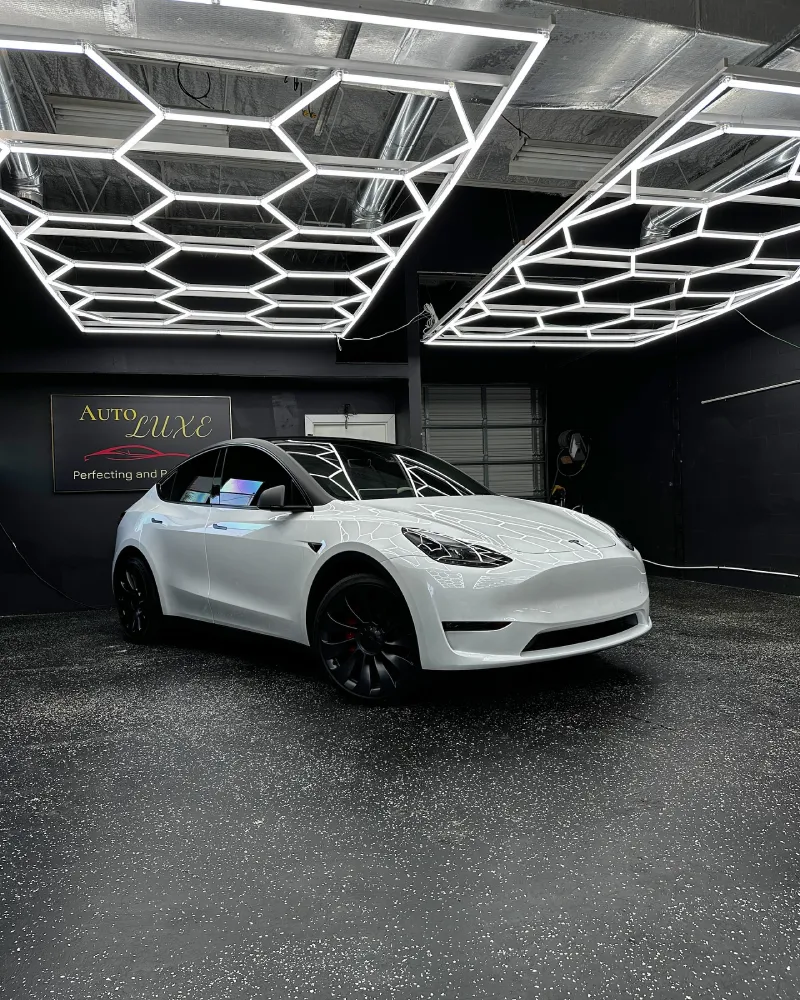
The Role of Professional Expertise
Material quality alone is not enough. Proper installation requires controlled conditions, surface preparation, and precise alignment.
Years of experience in automotive care directly influence how well the film performs after installation. A skilled installer understands how the material behaves and how to prevent common issues such as stretching, misalignment, or contamination.
This level of expertise also helps identify substandard materials before they are applied, preventing avoidable problems.
Choosing the Right Provider
Selecting the right provider involves more than comparing pricing. Consistency, process, and material knowledge all contribute to the final result.
Clear communication is a strong indicator. A provider should be able to explain how the film performs, what to expect over time, and how to maintain it.
When evaluating Sarasota Tesla paint protection film options, focus on proven results, not claims. Visual consistency across multiple vehicles is a reliable benchmark.
Years of experience in automotive care remain one of the strongest predictors of quality of outcome.
Long-Term Performance Considerations
Even high-quality film requires proper care to maintain its appearance and effectiveness. Regular cleaning, avoiding abrasive materials, and monitoring edges all contribute to longevity.
Environmental exposure also plays a role. Sunlight, road debris, and contaminants affect the film’s aging. However, high-grade materials are designed to withstand these conditions without significant degradation.
Low-quality film, by contrast, shows signs of wear much earlier. This includes loss of clarity, increased surface damage, and structural breakdown.
When assessing Sarasota, FL Tesla paint protection film solutions, long-term performance should be a primary consideration rather than initial appearance alone.
In Summary
Fake or low-quality Tesla paint protection film can be identified through consistent indicators: poor clarity, weak adhesion, lack of self-healing, and early discoloration. These issues are tied to material quality and become more visible over time.
Choosing the right film and ensuring proper installation protects both the appearance and value of your vehicle. Working with experienced professionals at Auto Luxe reduces the risk of premature failure and ensures the film performs as intended.
For more information or to evaluate your options, contact us today and connect with Auto Luxe.
People Also Ask
How long should Tesla paint protection film last?
High-quality film lasts for several years when installed correctly and properly maintained. Longevity depends on material quality and exposure conditions.
Can low-quality film damage Tesla paint?
Yes. It can trap debris, discolor, and leave adhesive residue that affects the paint during removal.
Is it difficult to identify fake paint protection film?
Some signs appear immediately, such as haze or bubbling, while others, like discoloration and lack of self-healing, develop over time.
Does installation matter as much as the film itself?
Both are equally important. High-quality film requires proper installation to perform correctly.
What should I check before installation?
Review material specifications, warranty coverage, and examples of completed work to ensure consistent results.